Cromwell Starlink Ground Station
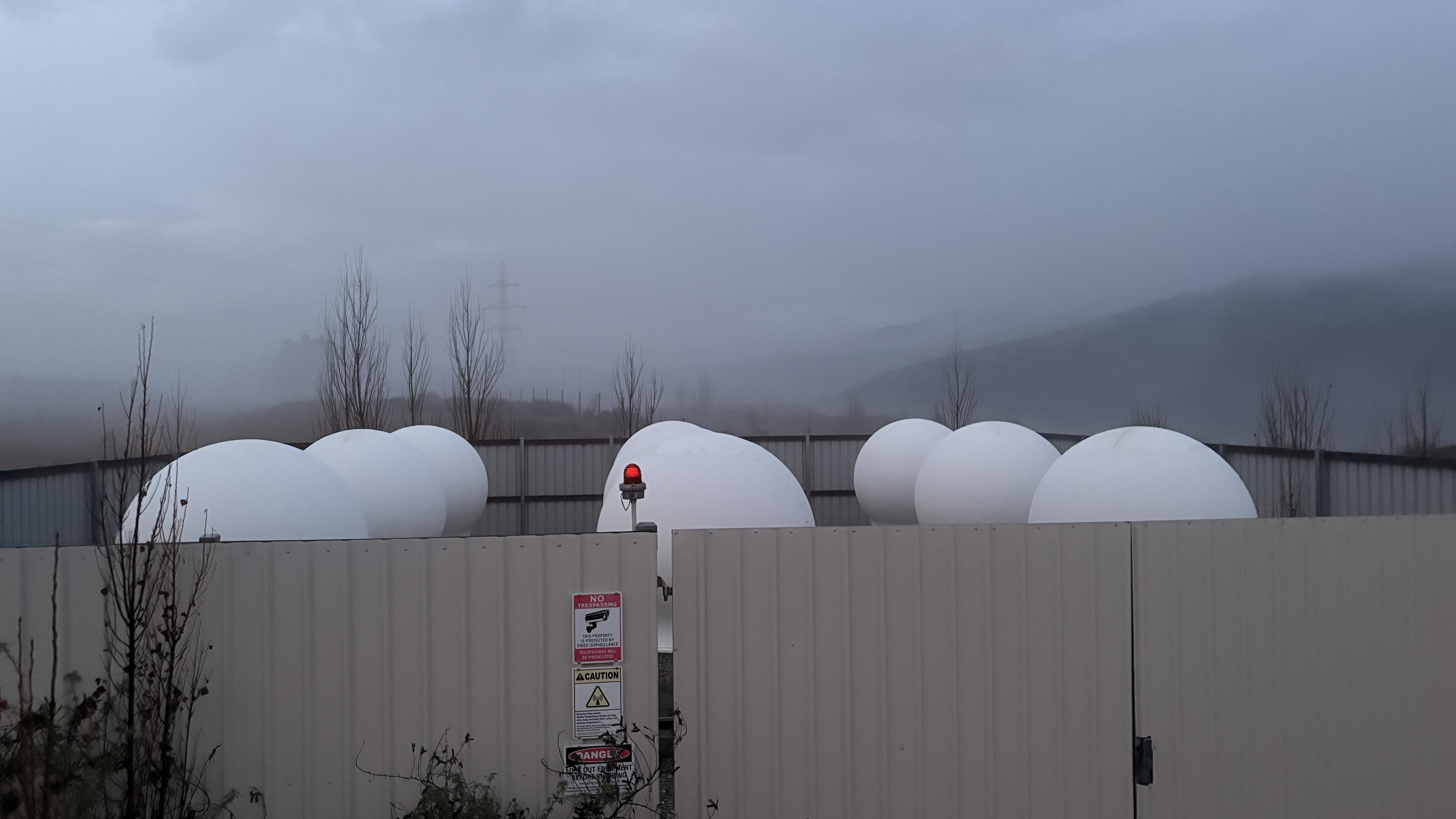
Starlink Gateways (aka ground stations)
What are they
The bridge between the satellite constellation and the actual internet. Your dish talks to a satellite; the satellite talks to a gateway (aka ground station); the gateway plugs into a thickkkk fibre trunk hidden somewhere in the ground.
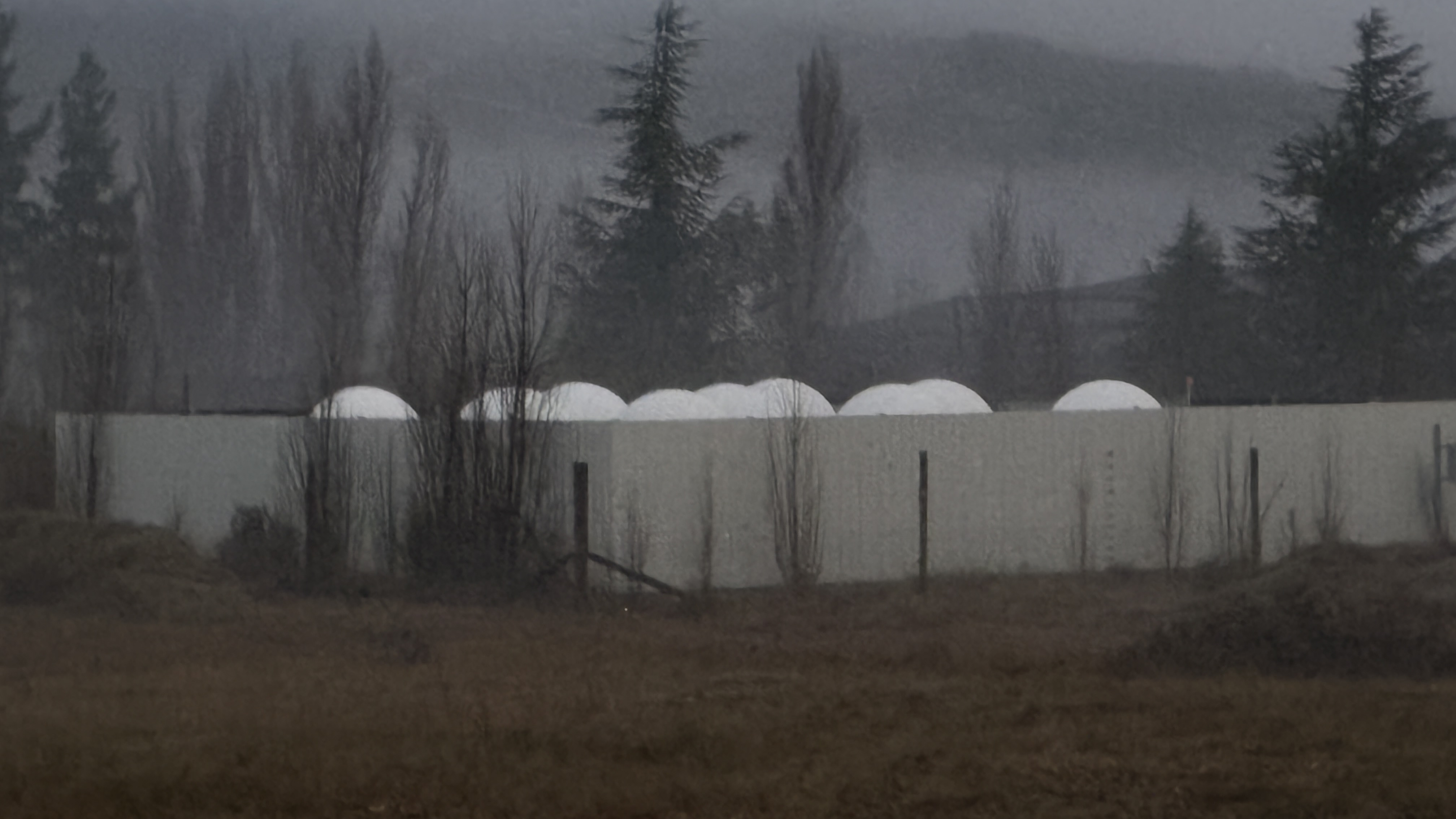
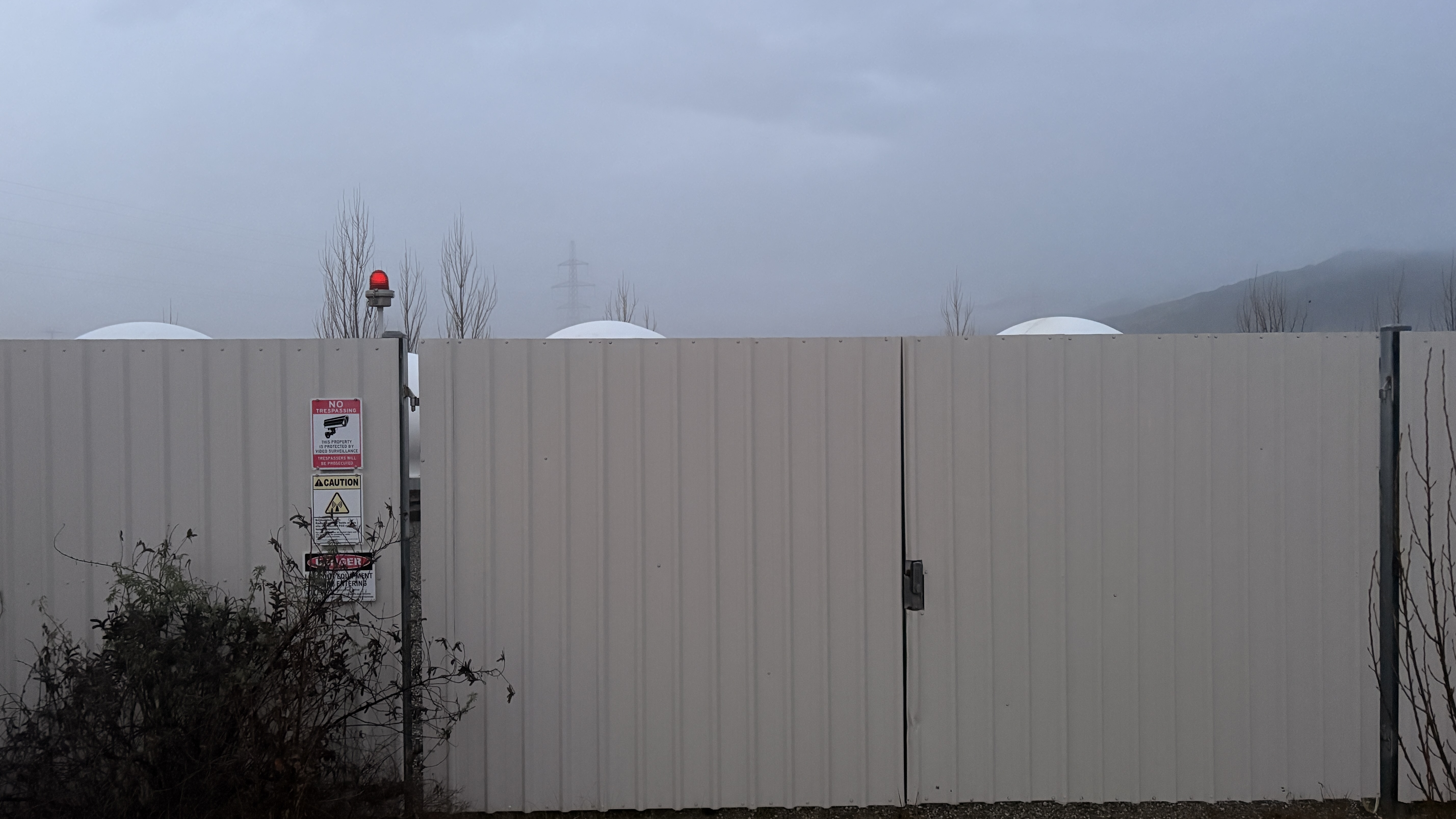
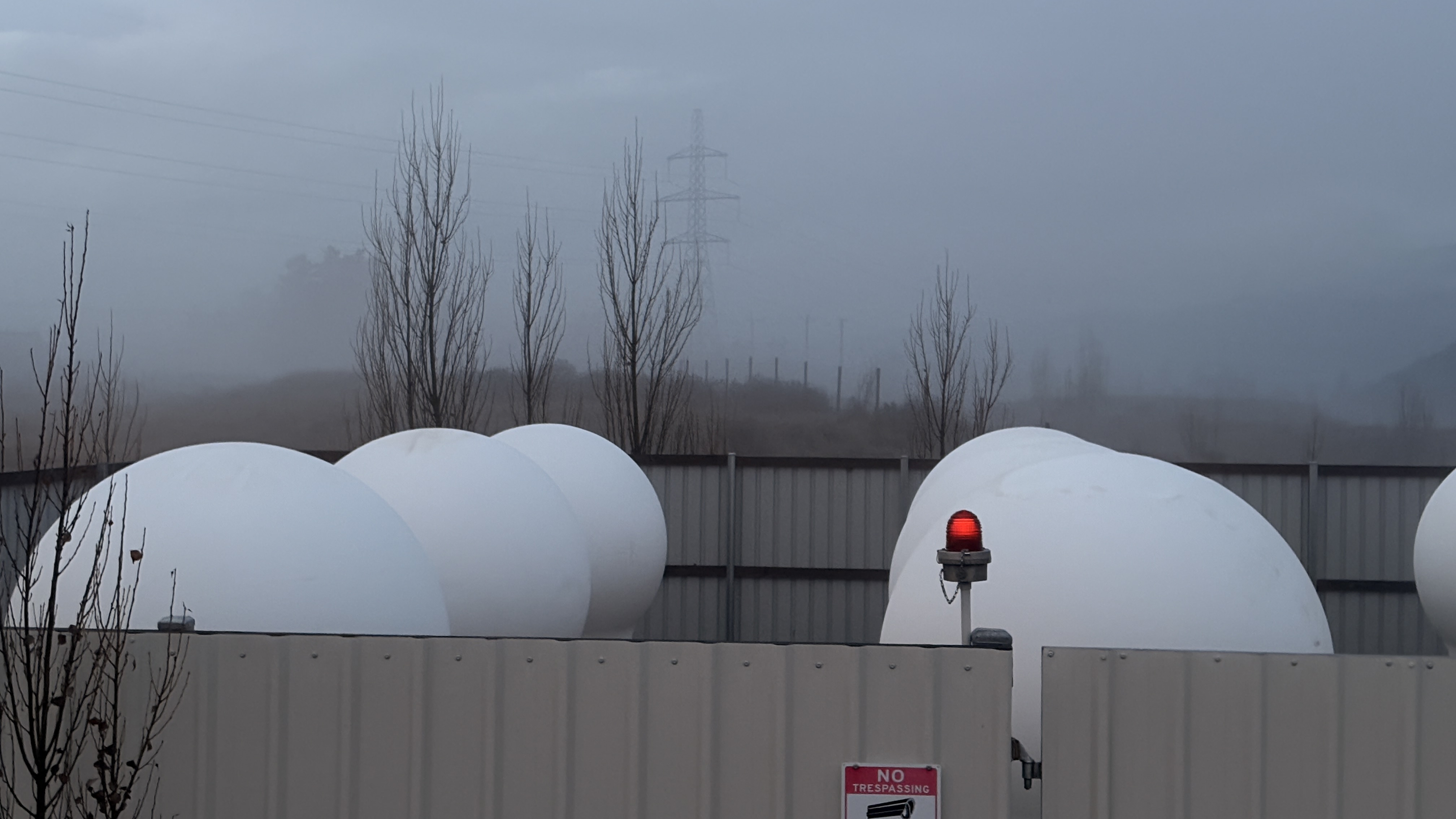
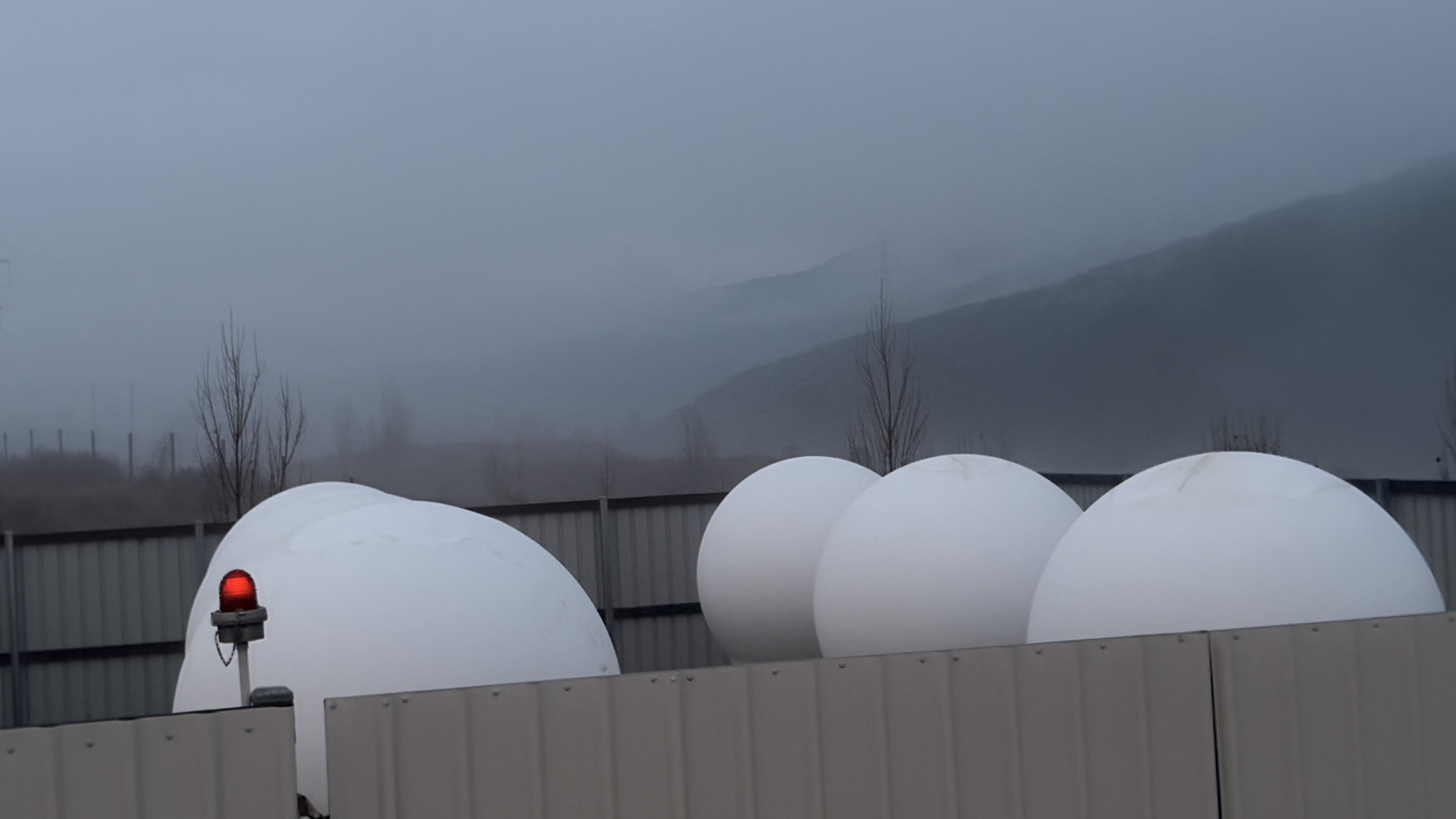
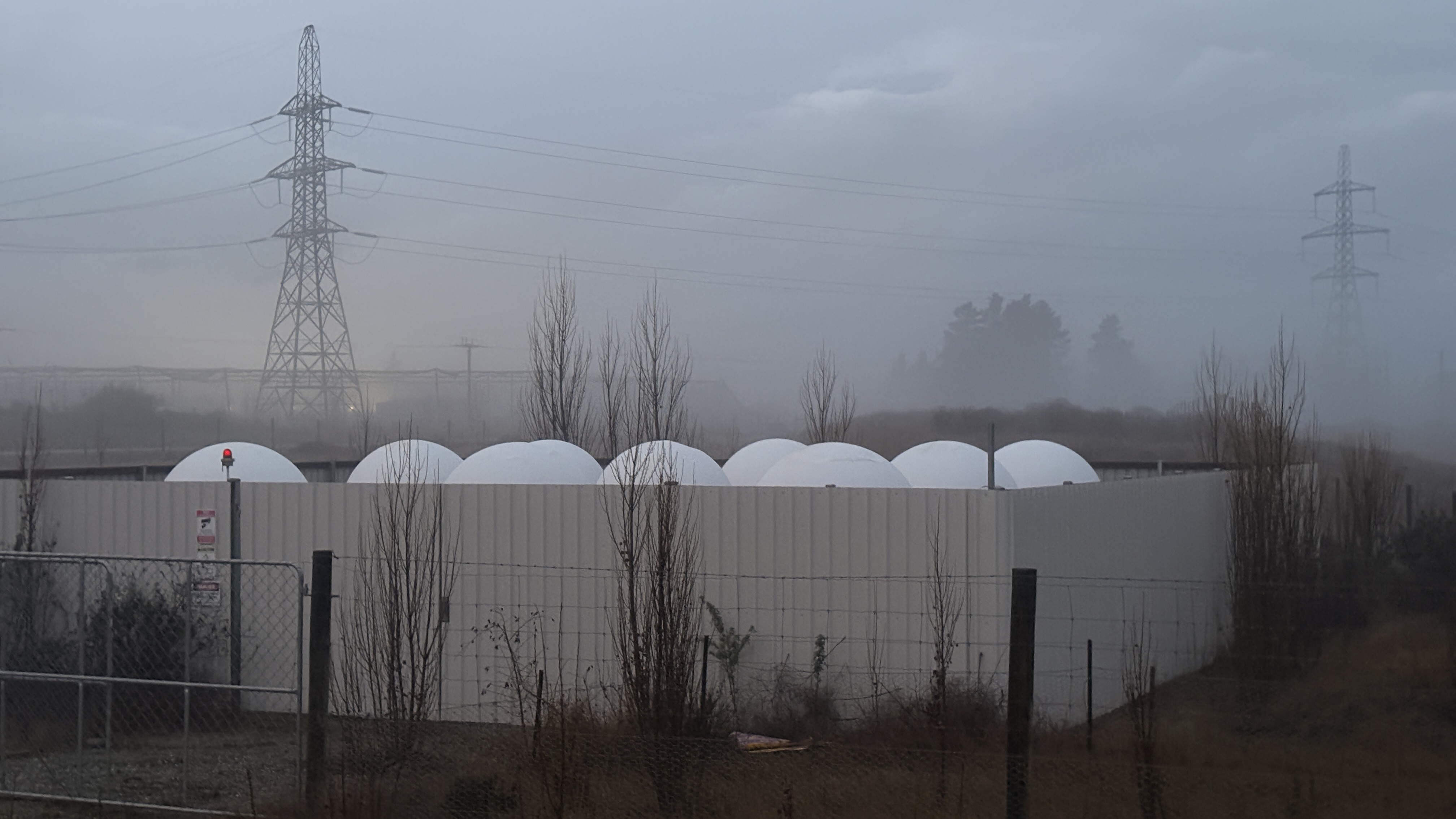
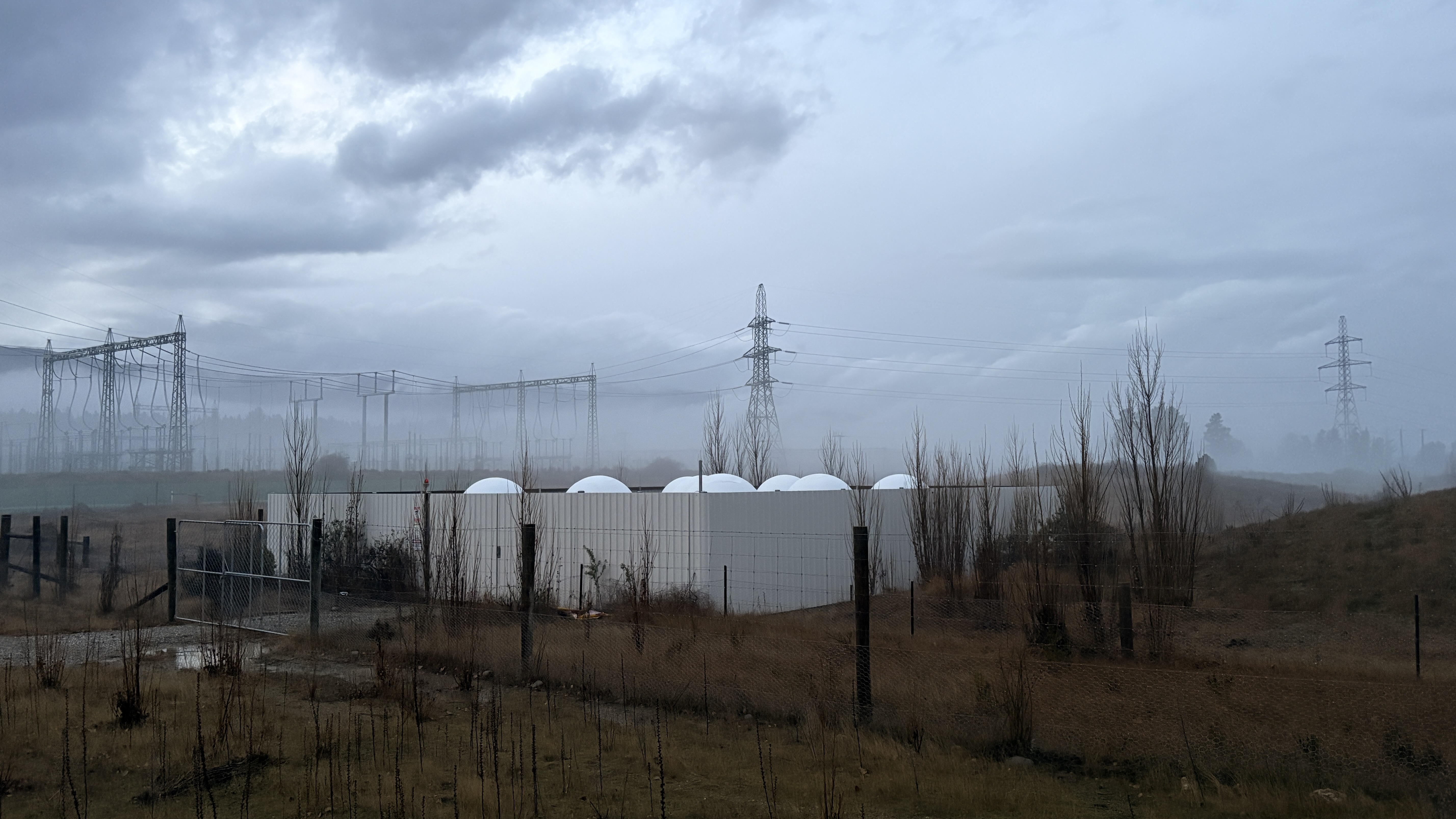
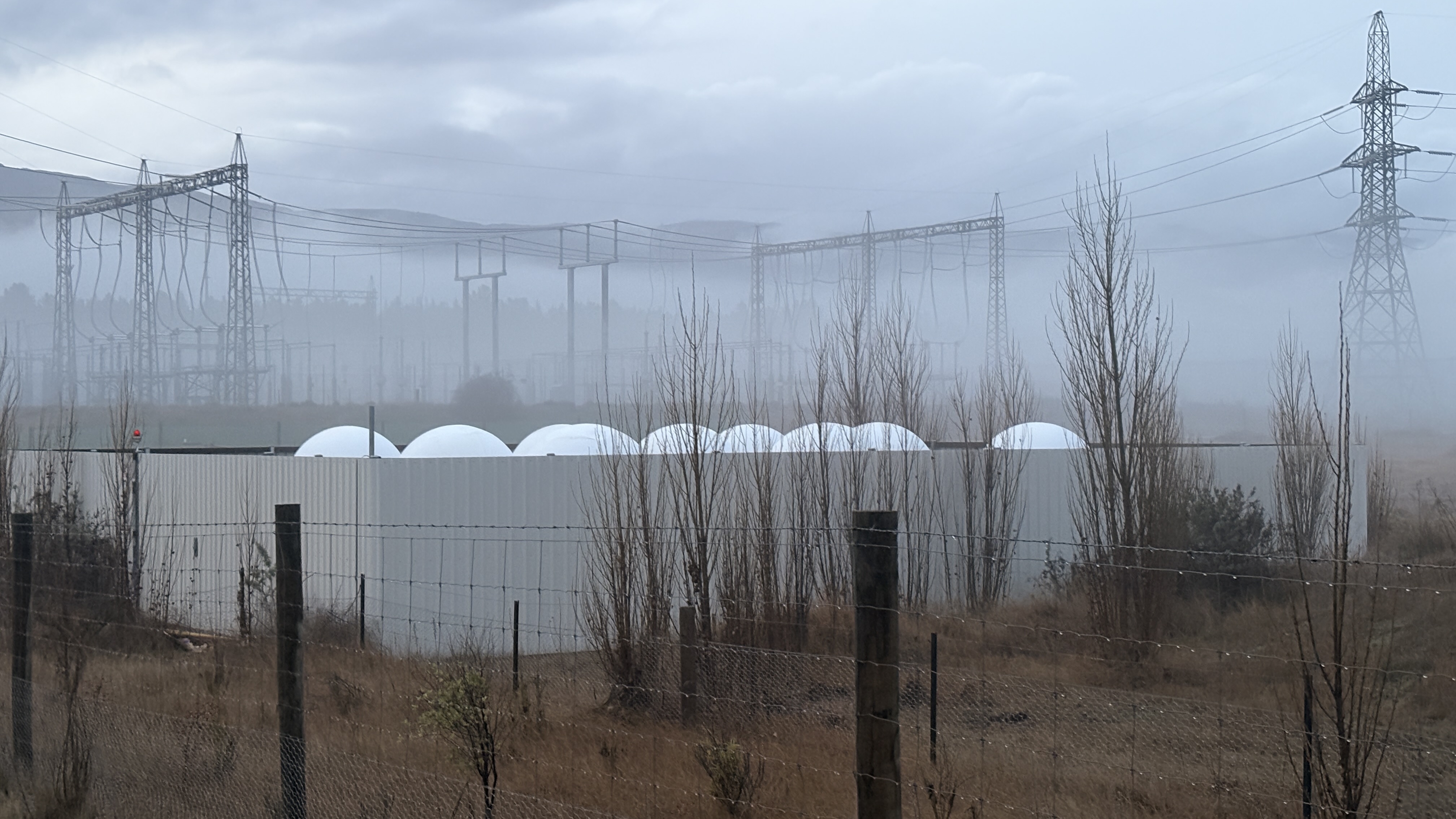
The golf balls
Each dome (radome) hides a motorised parabolic dish ~1.5m wide. The dome protects it from wind/snow/ice and hides where it's pointing.
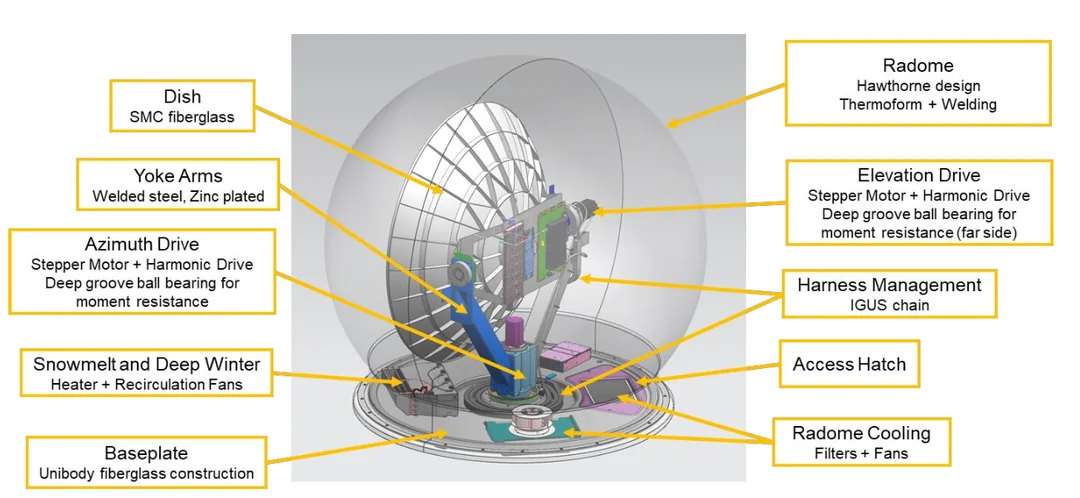
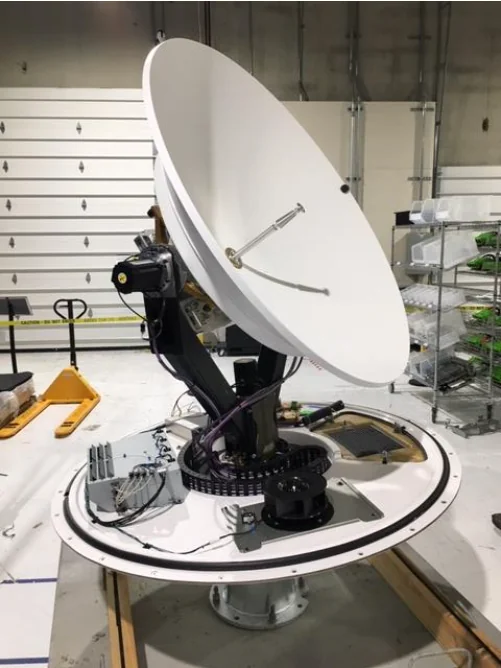
Why 8–9 of them
- Satellites are in low orbit (~550km), each one is overhead for less than 4 minutes
- Dishes must physically track a satellite across the sky, then snap back for the next one
- So you need lots. Some actively tracking, some repositioning, some as spares/redundancy if a bird poops on one
How a connection happens
- Your dish → satellite (Ku-band)
- Satellite → gateway dish (Ka-band, higher frequency, more bandwidth)
- Gateway → fibre backhaul → the internet
- Return trip back down the same path
Why middle of nowhere
- Needs clear sky in all directions (no hills/buildings blocking low-angle passes)
- Ka-band interferes with terrestrial microwave links, so they're sited away from congested spectrum areas
- Land is cheap, and they only need a fibre trunk nearby — not people
- Must be within ~800–1000km of the users they serve (older sats had no laser links)
On site
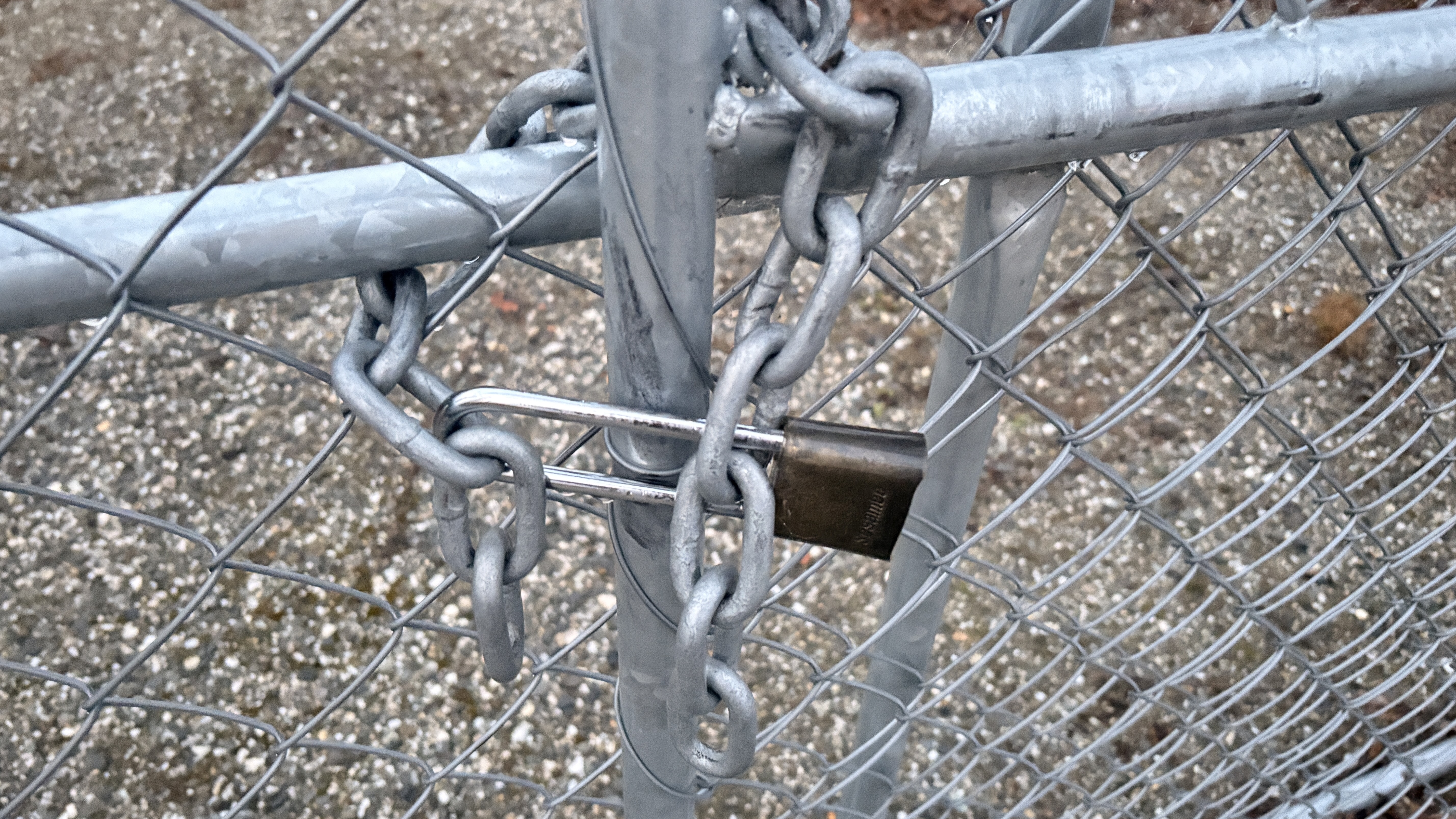
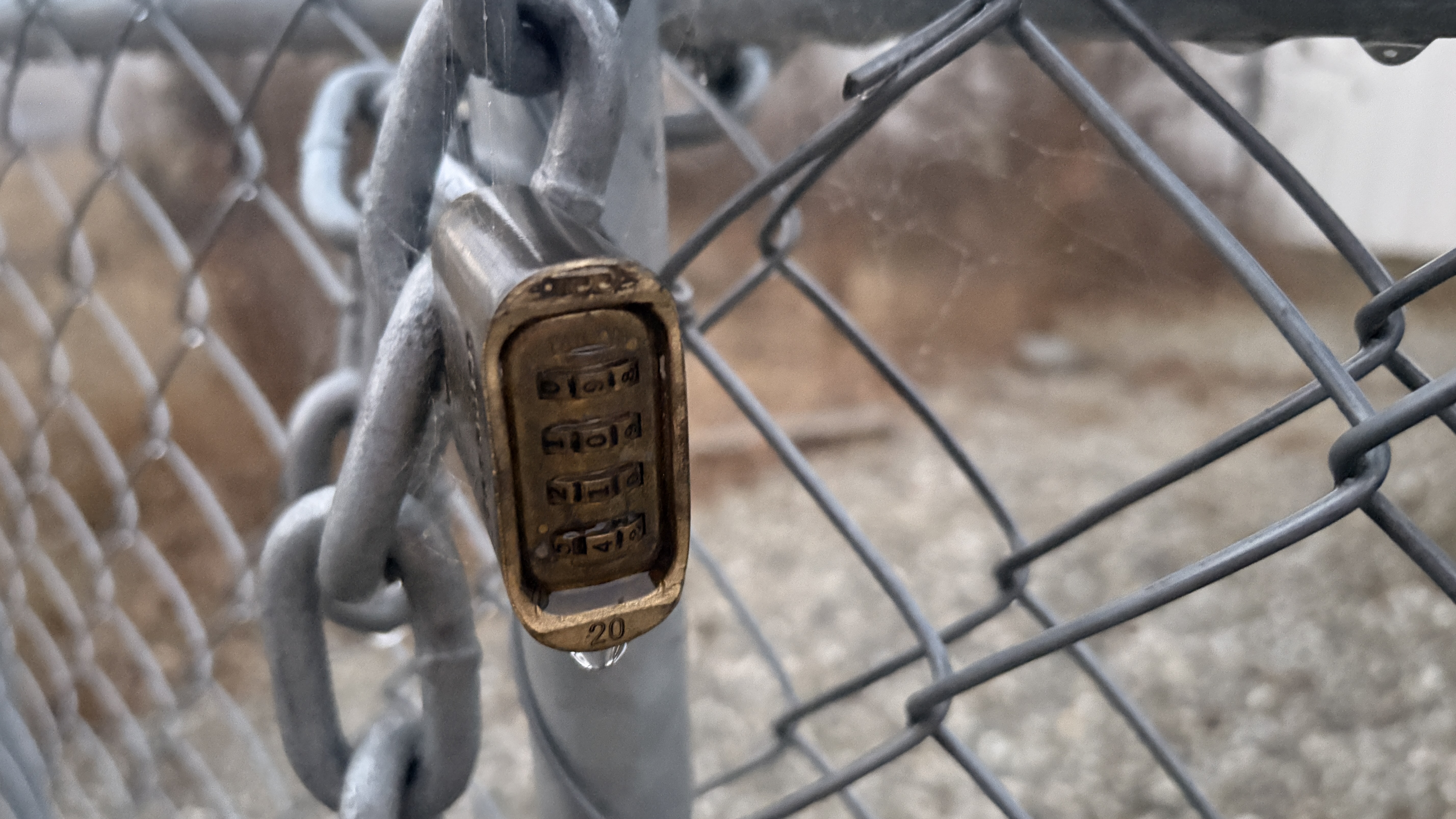
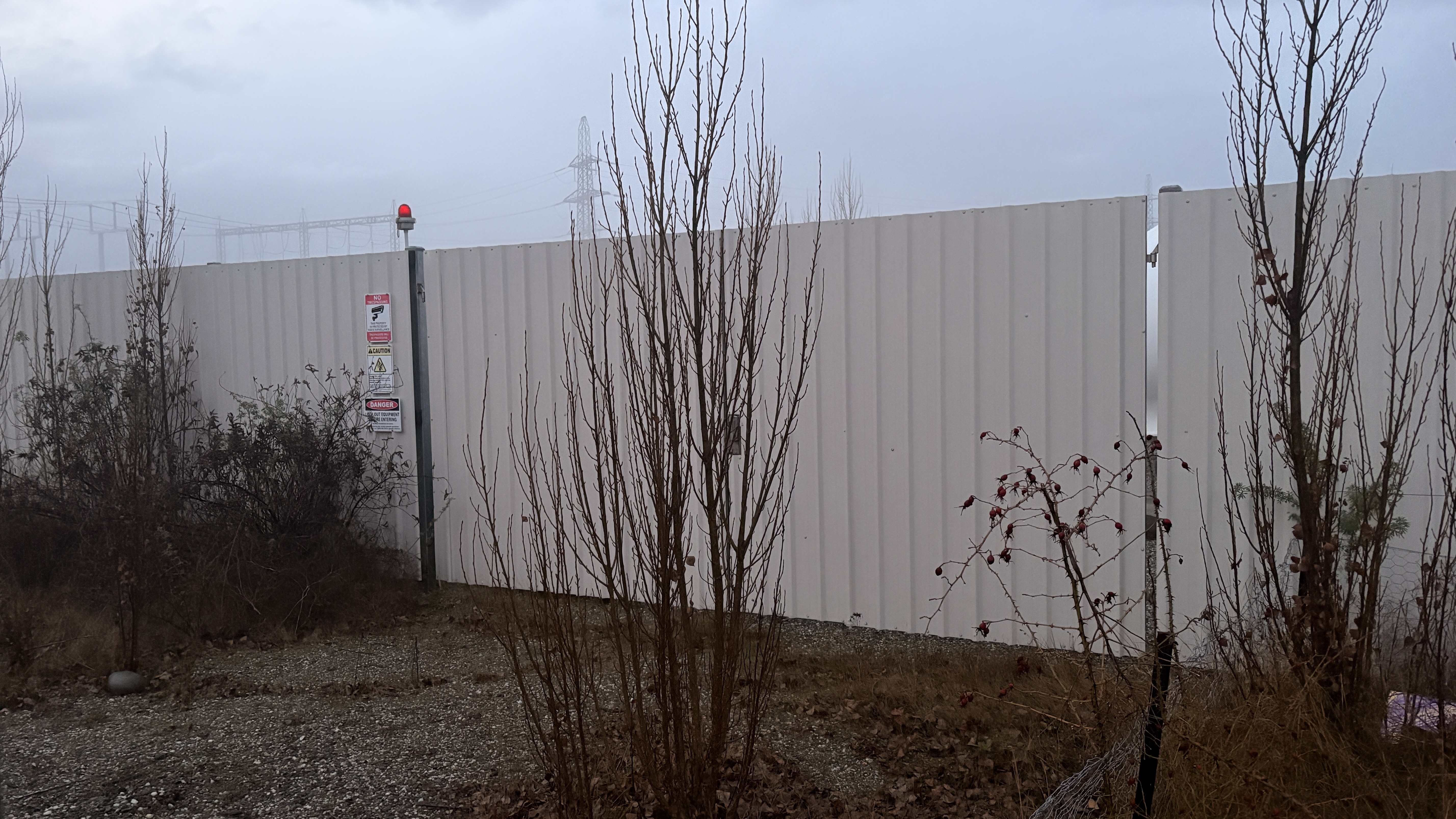
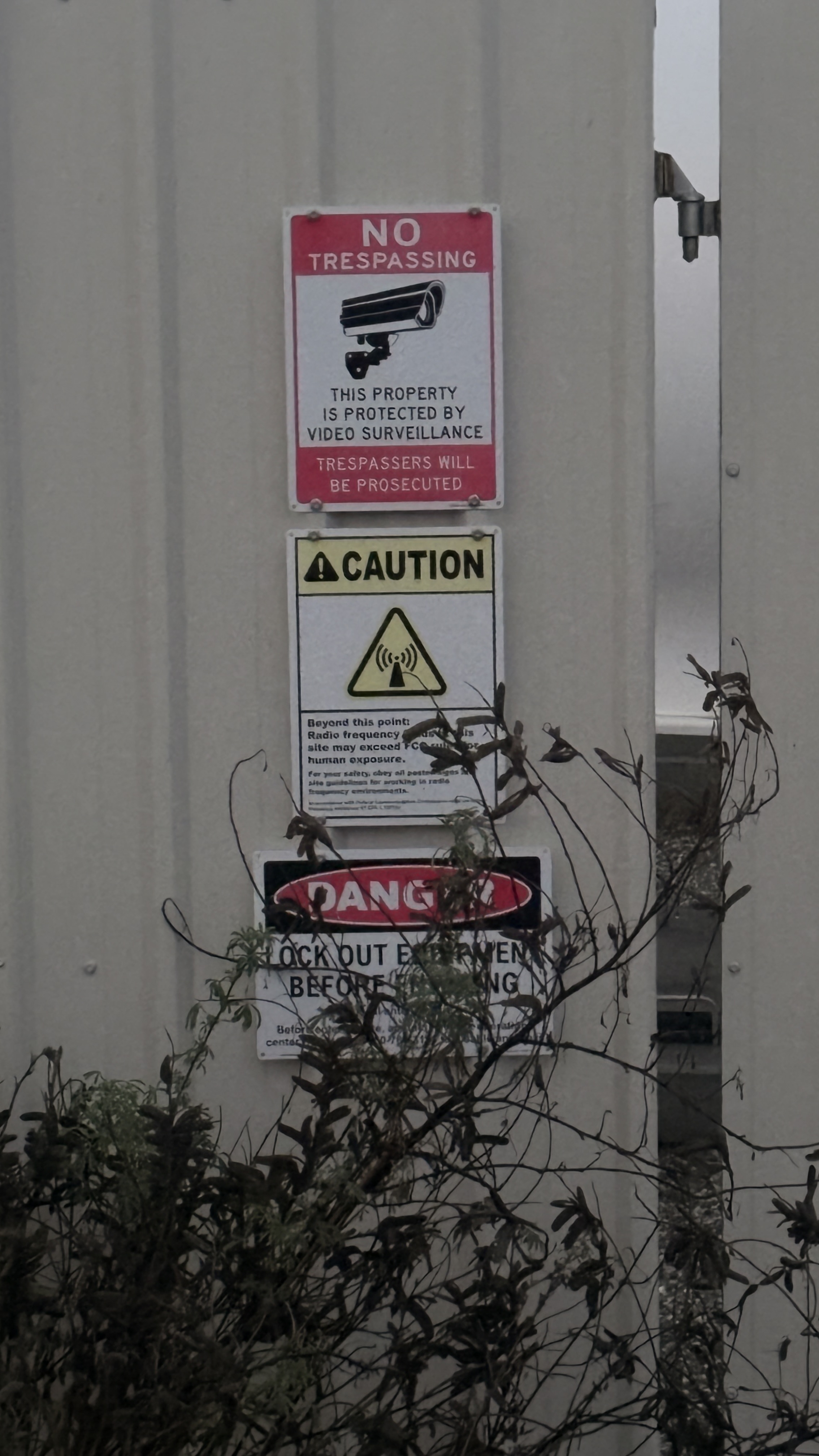
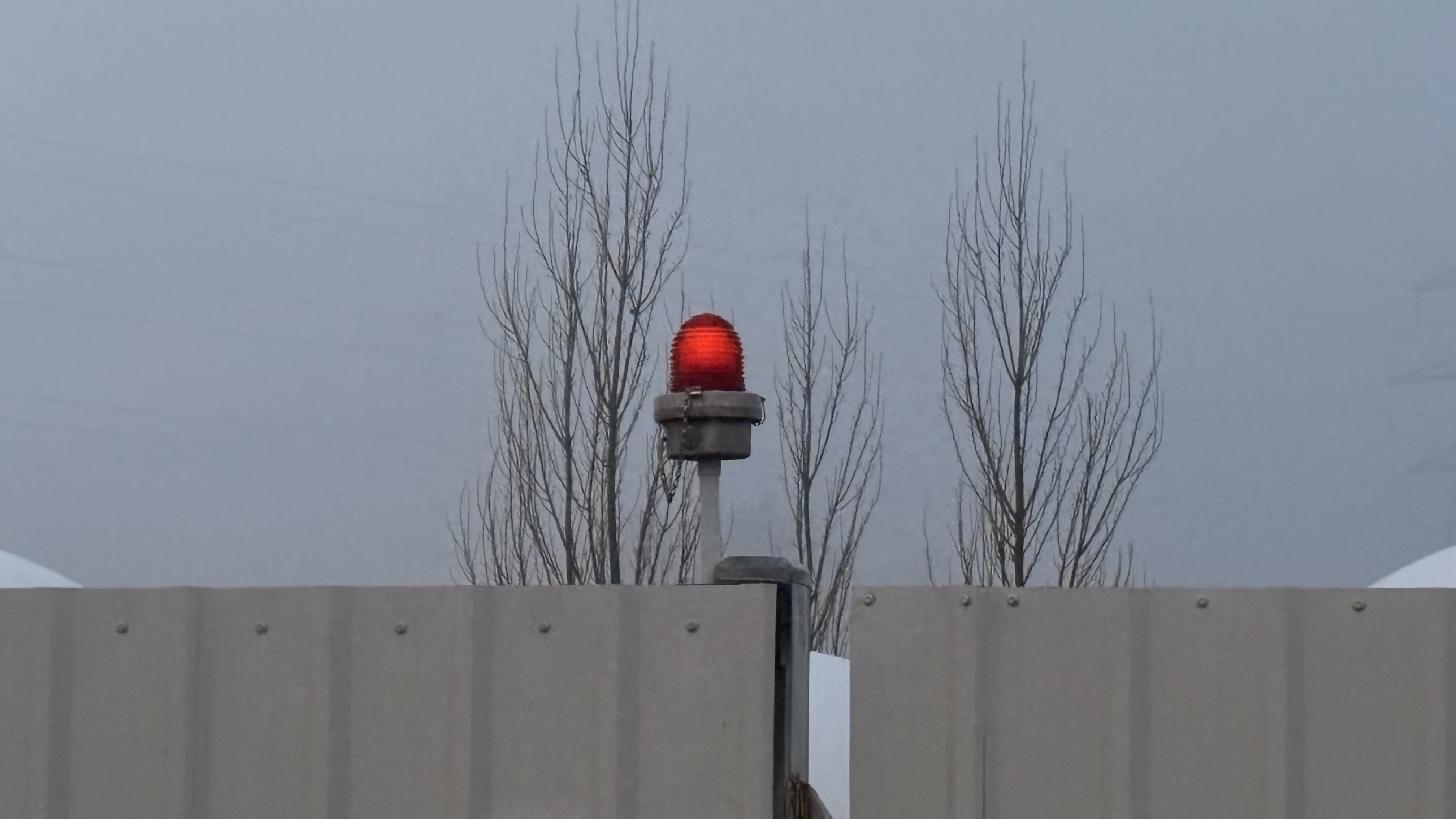
Fenced compound, gravel pad, the domes on concrete plinths, fibre entry point, rarely a backup generator. Unmanned & monitored remotely.
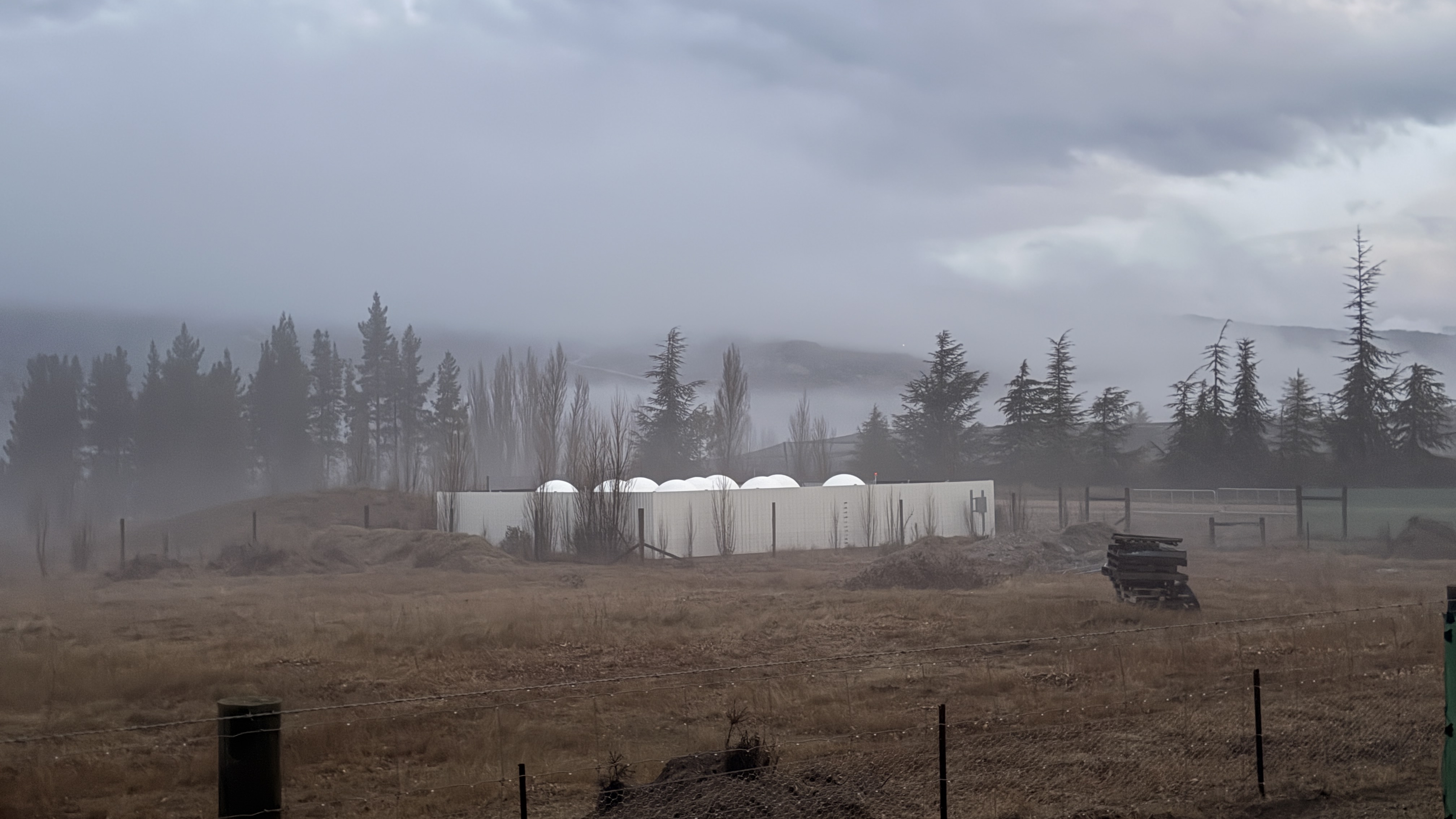
The shift happening
Newer satellites have laser inter-satellite links, so they can relay data between themselves before dropping to a gateway. That reduces how many gateways are needed and lets Starlink cover oceans and remote regions with no ground station in range.
Total satellites Starlink has (as of 30 July 2026):
10,876 in orbit, 10,860 of them working, per Jonathan McDowell's tracking, the count most people treat as authoritative.
Total satellites Starlink has ever launched is ~12,500; the gap is deorbited units, prototypes and failures. Roughly 1–2 fall back to Earth every day.
Pls contact me & let me know if any of this info is wrong I'm not a nerd .___.
No comments yet. First voice sets the tone.